Douglas Wills · Design & Innovation

여백

여백 (yeo beak) is not quite white space. I am told it is a concept beyond space. Nothing is something and something is nothing.

A vast field of quiet white space with a single burnt-sienna dot, the essence of 여백.
여백…one point of presence within a vast, open field. Nothing is something, and something is nothing.

About

A designer always looking for the 여백 of our lives.

I am a designer, innovator, and cultural navigator. My specialty is leading teams through complex, transformational innovation projects. I enjoy sharing my knowledge of design & innovation with clients and always strive to foster a stimulating creative atmosphere where teams can thrive.

I have had success with long-term implementation projects at multiple Fortune 100 companies, spanning steel to consumer goods. I joined Infosys in 2017 and have led engagements for some of the world’s most iconic brands. Since 2021, I have led design and innovation for our client United Airlines, directing a team of designers, researchers, and strategists across the airline’s employee- and customer-facing experiences. I am also proud of my five years in Seoul, working with Korea’s leading telecom companies.

“By sharing my experiences, I hope to inspire others to follow their passions and trust their instincts. For me, my passions are my children and the relationships that surround our lives.”

This is where I think out loud…about creativity and constraints, about saying “Yes, and…”, about the quiet humanity I keep finding in people. The writing here is my own, gathered over years and across continents. It is the white space between the work.

More about Douglas & the work

Writing

Notes from the white space.

Explore the full archive
Creativity

Creativity Wants Boundaries

Boundaries!

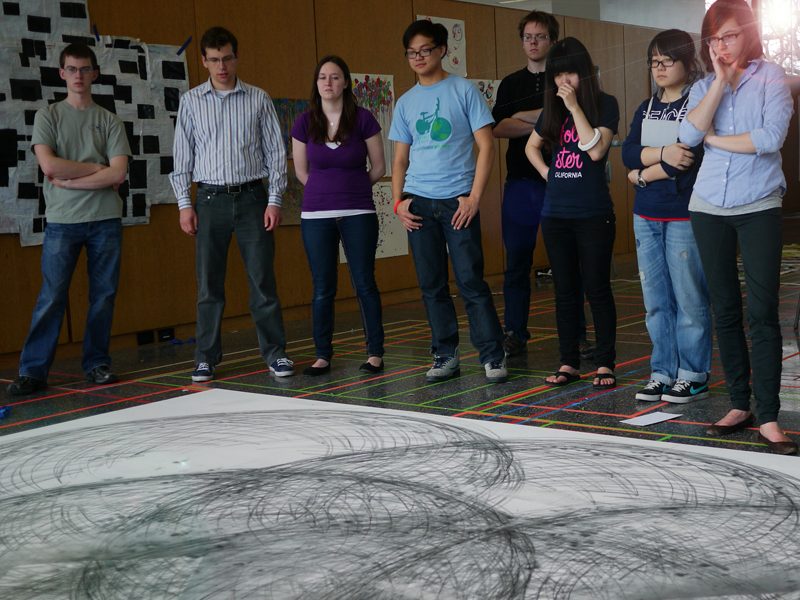
Students gathered around a large floor drawing during a creativity exercise.
Boundaries!

It is teenagers and college students who seem to be most apt to challenge rules and push social boundaries, especially those we consider to be creative types. Creatives seem to be on the outside of the boundaries their whole lives…And, why not? Creativity should know no boundaries? Right?
However, if you take a closer look, creativity thrives on what might be considered boundaries. And I believe that the reason youth and creatives seem to always be pushing boundaries is because they are actually trying to explore the “boundaries” they find themselves in. Metaphorically speaking, it’s as though they are in a dark room and have to feel their way around to find where everything is...Only finding the boundaries or obstacles when they bump up against them. And often, they push and expand these boundaries. They may even find a doorway to new way of thinking.

This is not a ground-breaking insight. Just do a little Googling and you’ll see that creativity might be described in terms of boundaries…the stage for an actor, the canvas for a painter, guitar for a musician, tempo, genre, etc. Defining boundaries reduces choices and allows an artist, designer, musician, actor, etc. to focus on their craft and embellish what they do well.

Recently, I have been guest lecturing at the College of Architecture at Illinois Institute of Technology...to creative types. This semester the students happen to be studying furniture design. FYI...Architects like to design chairs when they are not designing skyscrapers. In this class, they are required to design and construct a “functional object.” In other words, furniture and most likely a chair, but they get to decide the final object.

So, in the first lecture I told them the story about Amos Winter. An MIT PhD., Amos Winter re-designed the wheelchair for the disabled in developing countries.

I should note that in developing countries, most people live in rural and rugged terrain. They do not have many resources (i.e. money). It is difficult to get repairs and spare parts for anything, let alone wheelchairs. Often, people must travel 5 km for work. Do you see where I am going with this? These are the boundaries or, as Amos Winter calls them, constraints for the re-design of the wheelchair.

These constraints do not render it impossible to design a wheelchair. To the contrary, the constraints inspired Amos’s come up with innovative solutions. And here is where I want to digress and take you back to the Architecture Class. I want to take issue with the term constraint or boundary as a basis for creativity.

What happens when you give anyone a constraint? They resist. And as you can imagine, the Architecture Class has been resistant to defining their design constraints or boundaries. Many have been skirting around the issue and falling behind. Those who have defined their design “constraints” or “boundaries” are now on to sketching their “functional objects,” but those who have not are starting to become frustrated.

And the clock is ticking!

For those who lack constraints, what they don’t consciously understand is that they are still creating a constraint…Time. A deadline is the easiest constraint to create. This is often the “constraint of choice” because the closer a deadline, the more panic is felt. The panic is then turned into inspiration and…voila! Creativity.

Over and over again, I see this happen. I have thoroughly explained the need for constraints or boundaries to the class just as I have to many professional colleagues over the years. However, here is where I want to make a change in direction…or more specifically, language. The word constraint or boundary brings up negative feelings of imprisonment. People want to feel free and inspired...especially, creatives. And they certainly do not want to “build their own prison, fence themselves in or paint themselves into a corner”, so to speak.

Upon talking to a few students outside class, I realized what the correct nomenclature should be. Boundaries or constraints are not the right words to use when asking people to create. Creativity is an emotional endeavor. We need to speak to emotions when dealing with creativity and, for that matter, innovation. This is where leadership should be inspirational and not directive. Creatives naturally want to explore and, through that exploration, find inspiration for their creativity.

Only in retrospect and after “connecting the dots,” do we see that the exploration resulted in a series of [design] constraints or boundaries for the final concept or business model.

So, don’t “fence in” your innovation teams by telling people to develop their design constraints. Enable them to explore and find inspiration; inspiration for what can be, not constraints for what cannot be.

To correct the misinformation I intentionally gave above, the stage, canvas, guitar, tempo, and genre are actually mediums for creativity, not boundaries; think of them as doorways that enable artists to create another reality.

Remember, it is actually inspiration that fuels creativity because without it, there would be no great play, beautiful painting or emotional music.

Open as its own page
Collaboration

“Yes, And…”…Improv at The Second City

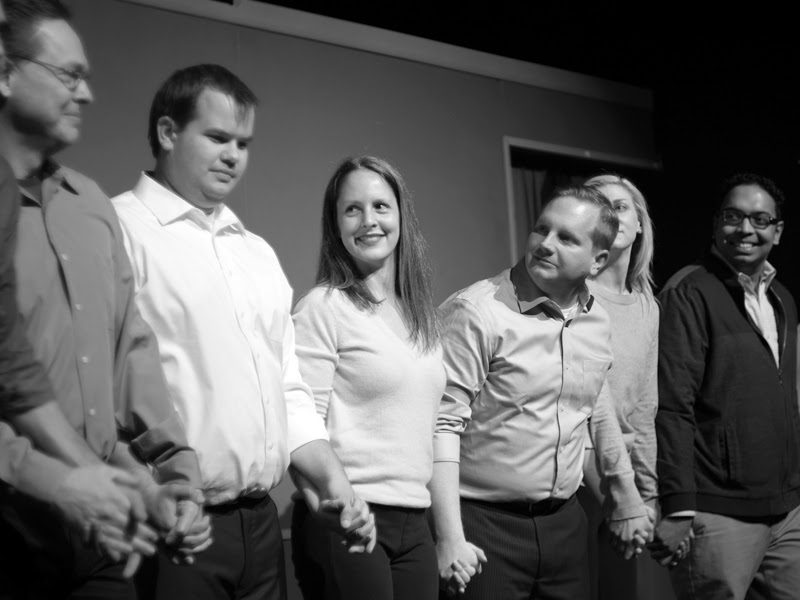
For the past year, Lyra and I have been happily struggling through improv classes at the renowned Second City Improv Training Center in Chicago. It has been great fun. The camaraderie within my ensemble is priceless.

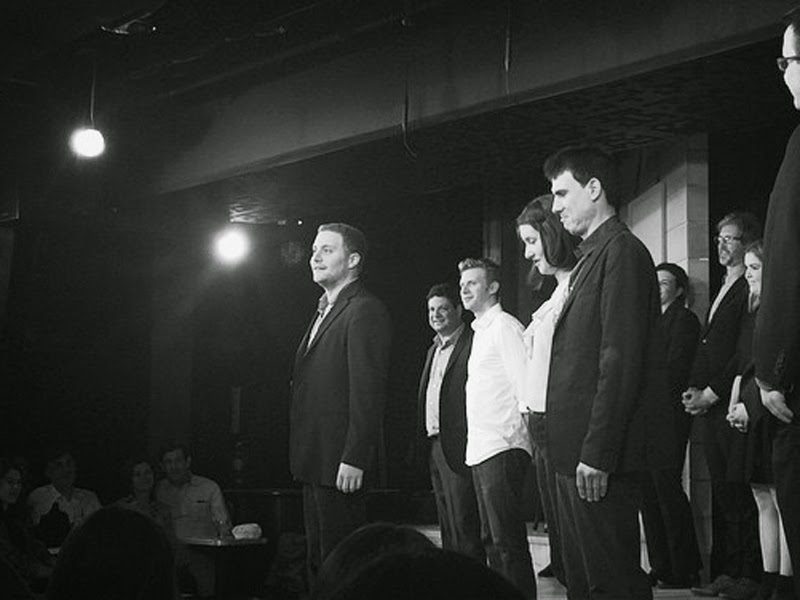
My ensemble taking a bow at The Second City.
My ensemble taking a bow at The Second City.Photo by Douglas Wills

The first thing we were taught was to say “Yes, and…” to everything your scene partner proposes and figure it out afterward. You treat everything your scene partner says or does as a gift that you build upon.

For example, you may initiate a scene by saying, “Honey, I really think we should take that trip to Fiji.” Your scene partner should agree and build on that... For example, “Yes! And I feel it would be great for our relationship if we took midnight strolls along the moonlit Fiji beach and listened to the waves crash into the shore.” They you might say, “Yes! And we can build a bonfire...and drink wine until the sun comes up! Let’s put our scuba gear on and practice right now!” End scene...

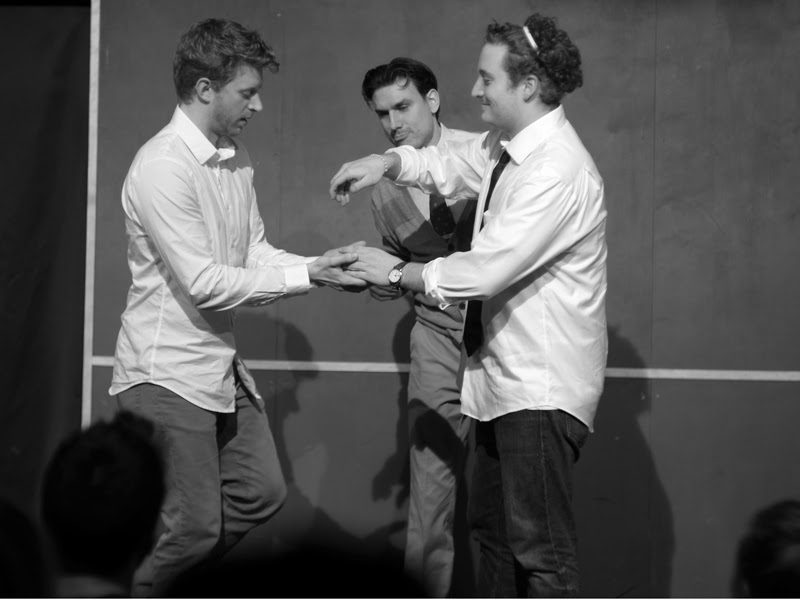
Ensemble members Richard and Mac.
Ensemble members Richard and Mac.Photo by Lyra Jakabhazy

Then other members of your ensemble can jump in and create a new scene, building on the Fiji idea, where maybe the couple is on the beach and a pirate named Jack Sparrow crashes the party! ...and things start to get crazy!…you can fill in the blanks. The objective is that everyone in the ensemble builds on the gifts that each member brings to a scene.

If you respond to your scene partner by saying, “Yea, but…” or “No, we can’t afford to travel…” nothing is added to the scene and often, it throws your novice scene partner into a panic…it might be funny to watch a novice improviser panic on stage, but it usually makes the audience to feel uncomfortable.

Second City proclaims that the foundation of improv is the ensemble. The ensemble is there to back up the scene’s partners. When the scene is ready to be refreshed, or has run its course, or is slowing, the ensemble is there to relieve the current improvisers and keep the energy flowing.

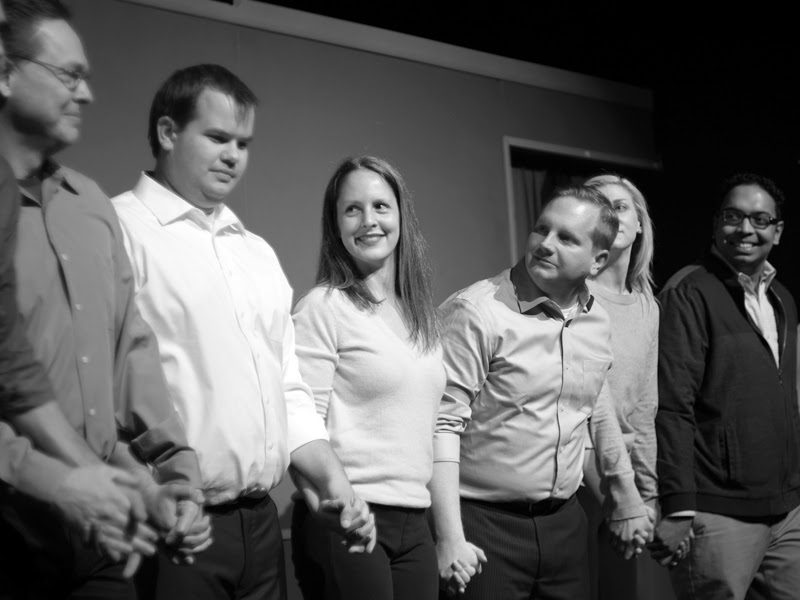
The full Level E ensemble.
The full Level E ensemble.Photo by Joshay Ferguson

The objective is that everyone in the ensemble builds on the gifts that each member brings to a scene.

Most importantly, all the members in the ensemble are there to build on whatever is created by saying, “Yes, and…” to each other. The sense that they actually have your back is comforting and encourages all ensemble members to take greater risks when initiating scenes.

It is widely known that creativity thrives best within boundaries. In improv, the boundaries are set by a “Get” from the audience. The “Get” given by the audience could be a “place that people often gather” such as a wedding or “a period in time” such as the Victorian Age or “clique in high school” such as the Mean Girls or “a never before seen musical” such as Buffy the Vampire Slayer Opera…the imaginary back story behind the scene.

And always remember, creativity also thrives on permission…that is, permission to push THE boundaries set by the audience. Ultimately, by saying “Yes, and…”, you are giving your scene partner(s), and yourself, permission to create something new and playful that pushes the boundaries of normalcy.

Finally, as novices, we are told, “don’t try to be funny!” If you try to be funny, it usually means that you are thinking ahead and are not FULLY PRESENT in the NOW. You should be FOCUSING on and reacting to your partner…not premeditating what you are going to say or do. Trying to be funny in improv does not work well because it often comes off as rehearsed or cliché.

Of course, improv should be funny or people would stop coming to the shows! But humor flows better when it is organic, arising from the human relationships that the improvisers recreate on stage.

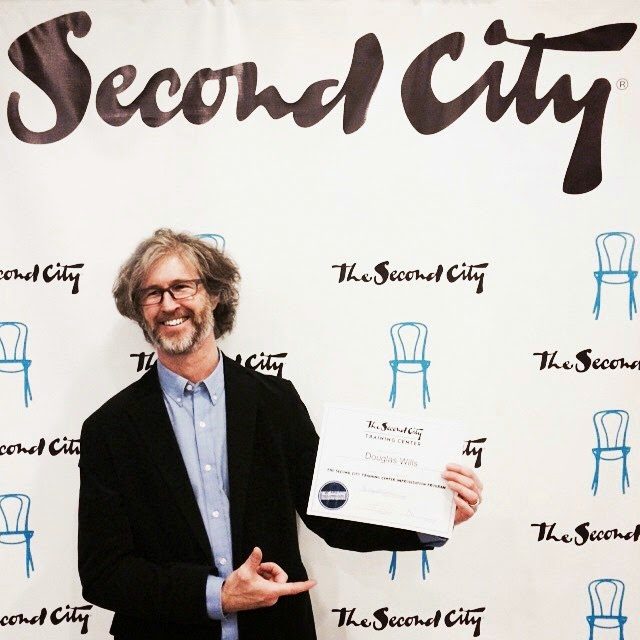
Course completion at Second City.
Course completion at Second City.Photo by Lyra Jakabhazy

So, will I ever make it to the “Main Stage” at The Second City? I highly doubt it...there is way too much competition to be the next Bill Murray or Tina Fey...But I can easily apply the lessons I learned from improvising to many aspects of my personal and professional life. Now, more than ever, I actively look for friendships as well as professional engagements that say: “Yes and…” to me, build on my contributions and give me the permission to innovate.

Open as its own page
Black and white photograph of an improv ensemble taking a bow on stage at The Second City in Chicago
“Yes, and…” My ensemble at The Second City, Chicago. Photo by Douglas Wills.
Empathy

Innovating Disaster Relief

I am always inspired by the humanity I find in people...especially, their selflessness for others who are in great need. This archetypal role model was ingrained in me by my parents at an early age. My mother and father were always helping others and giving of themselves...either through their nursing service...United Nursing Inc, organizing charity, cultural or church events...or bringing home a stray person for dinner who needed a helping hand.

I was taught to admire charity in others and have always seen it as a strength, not a weakness.

Professionally, I have tried to emulate this by taking on positions that somehow help others. Either by empowering the people or teams I am working with or somehow satisfying the needs of the customers they serve. If I ever stray from this, I inevitably run into a dissonance, which affects the passion I have for my work.

These days, I am involved with a start up called BigHuman, whose mission it is to tackle the real and difficult challenges of disaster relief and preparedness. Being part of this effort, I often ask myself, “How can I really make a difference in such a monumental challenge? How can I contribute?”

At this point, stories are what I have to offer...stories that I hope can inspire others to act.

The recent typhoon Hagupit in the Philippines reminded me of a friend of mine whose acts of selflessness and community giving must be shared. I believe her story can shed light on how we might approach natural disasters in the years to come...please share this post where appropriate.

So, let me tell you about a remarkable woman...someone with limited resources, no NGO support, no experience or connections with the philanthropic world. None the less, she made a difference...a big difference in the lives of many people in need. I hope her story will be a valuable contribution to a broader discussion on how the world prepares for the future natural disasters.

Sharon Fe Pfleider distributing aid in the Philippines.
Sharon Fe Pfleider distributing aid in the Philippines.Photo: Mirs Napoles Carel

Meet Sharon Fe Pfleider. Sharon lives in Makati City, a thriving business and residential sector in Manila, Philippines.

Tragically, in November 2013, Sharon’s home village of Leyte was struck by the devastating forces of Typhoon Yolanda...where many of her family members still lived. Leyte is a small village on the Eastern Visayan island of Leyte of the same name.

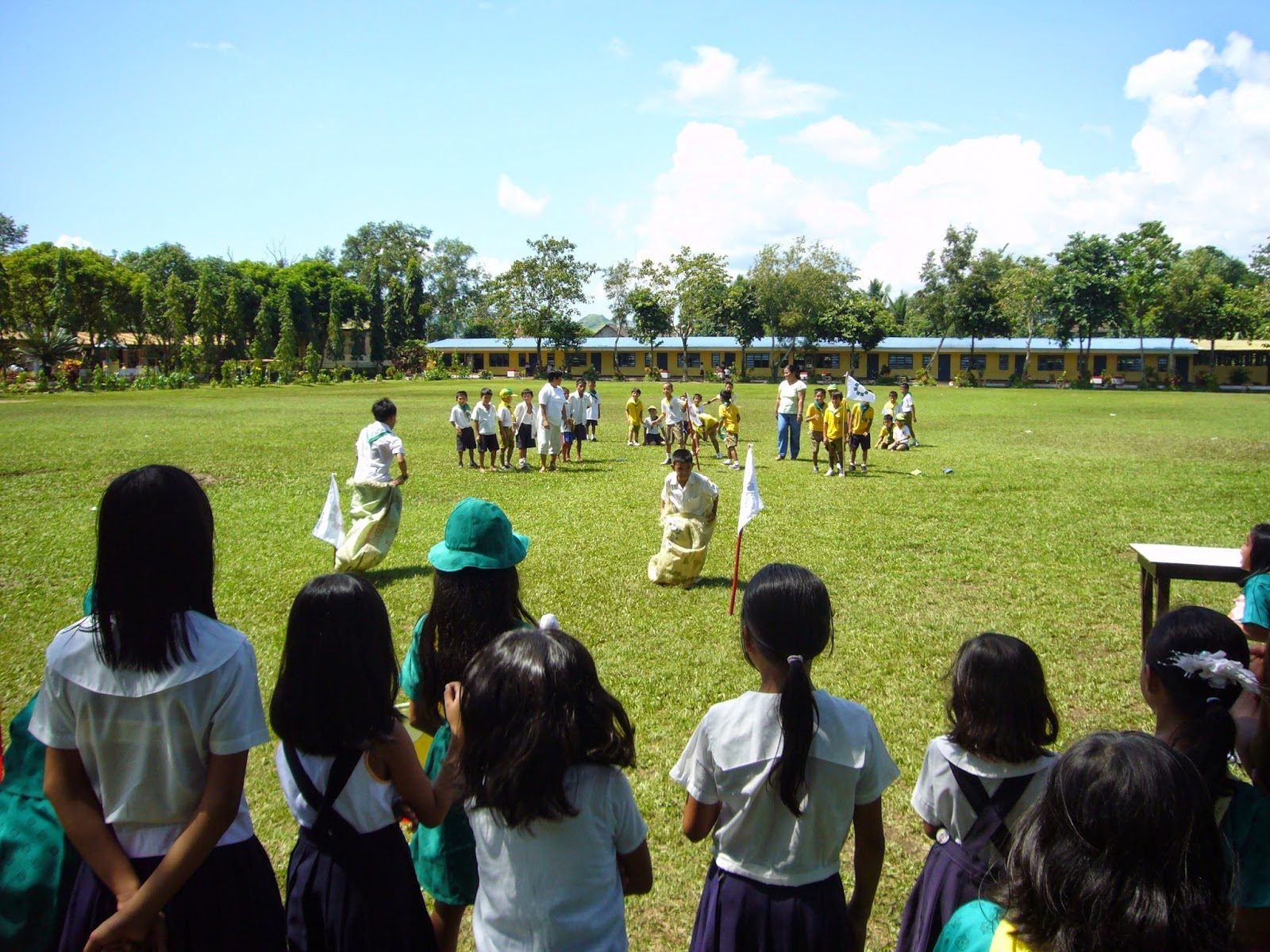
Leyte Elementary School, before Yolanda.
Leyte Elementary School, before Yolanda.Photo: Douglas Wills

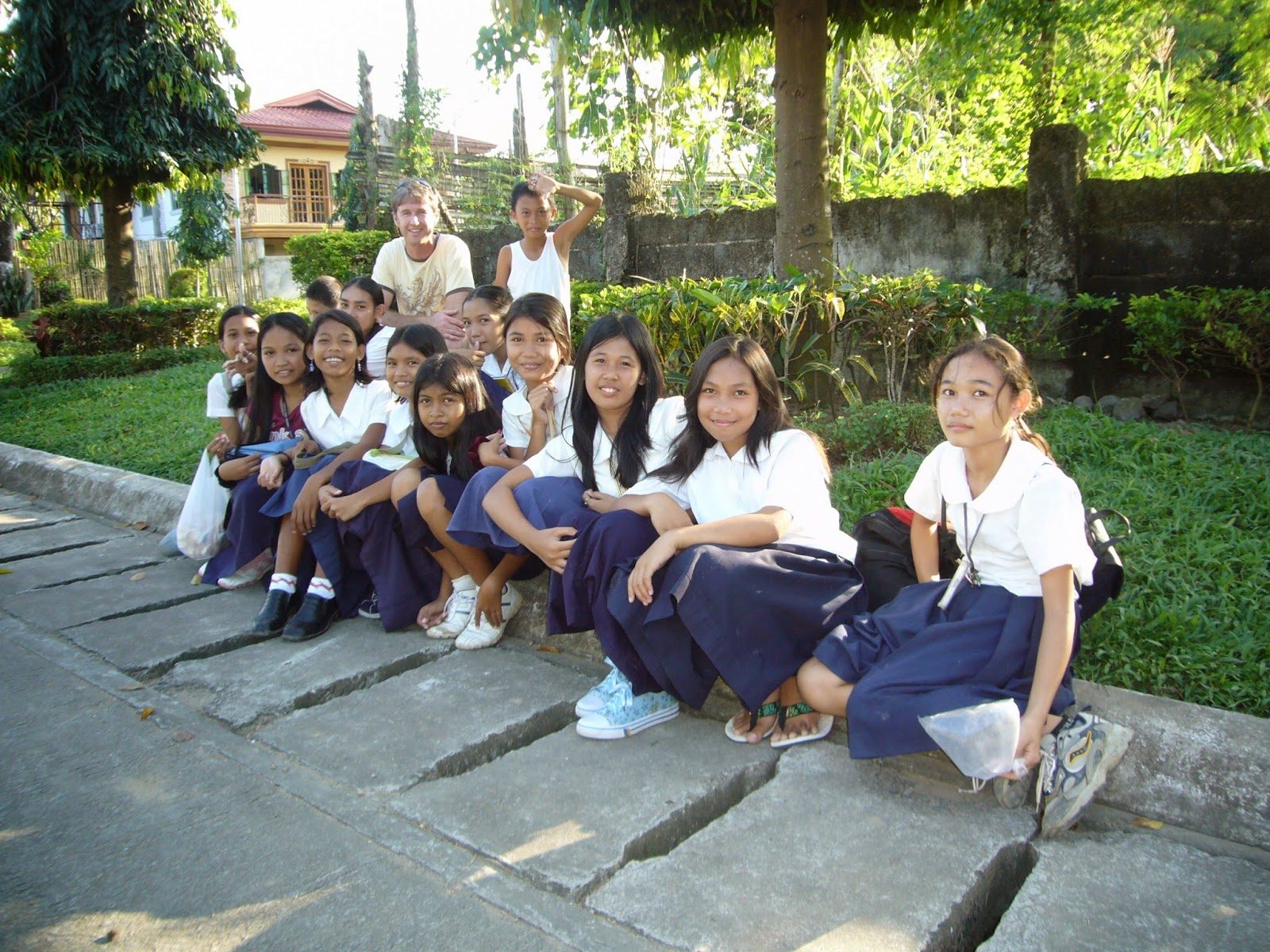
Leyte was a beautiful village full of beautiful people. Everyone there loves and takes pride in their children, just as we all do.

Leyte… loving, intelligent people just like you and me.
Leyte…loving, intelligent people just like you and me.Photo: Douglas Wills

I hope for people to see that Leyte and, by extension, the Philippines, is filled with loving intelligent people just like you and me. Nothing more and nothing less.

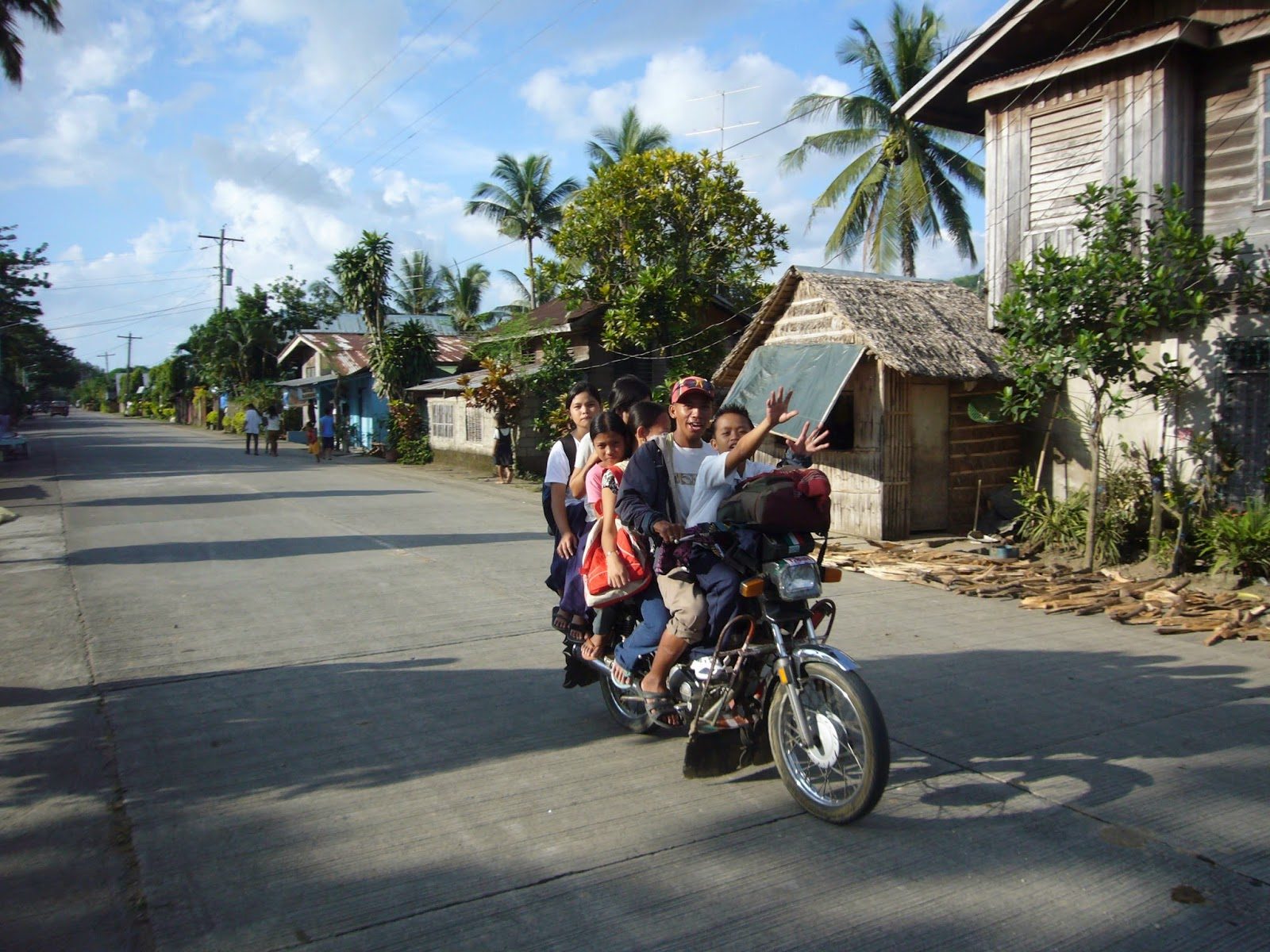
A Leyte street, children walking home before the typhoon.
A Leyte street, children walking home before the typhoon.Photo: Douglas Wills

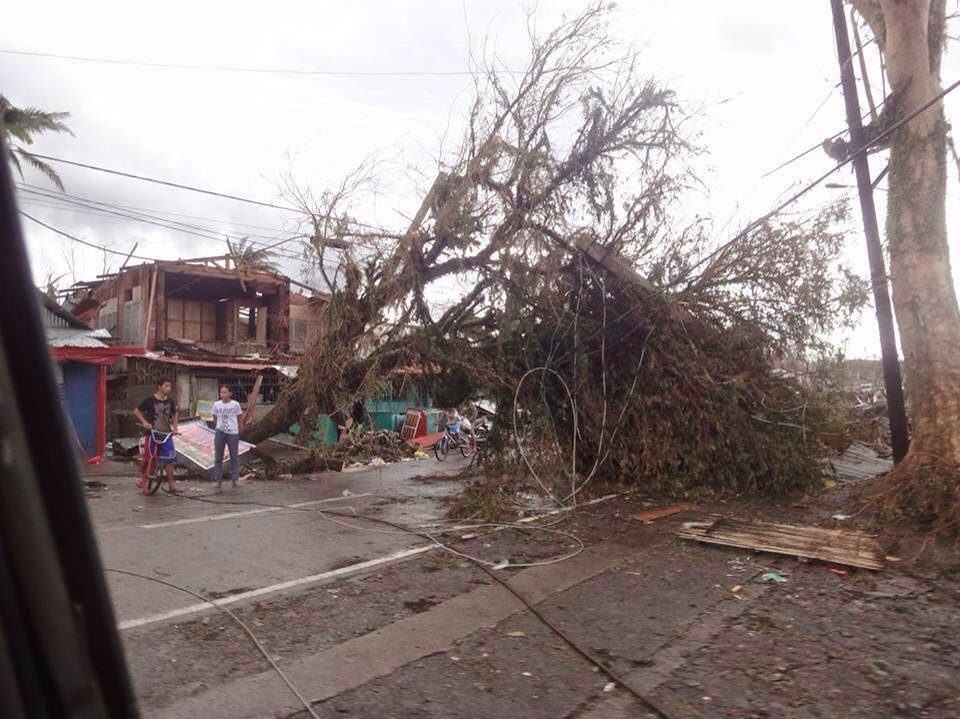
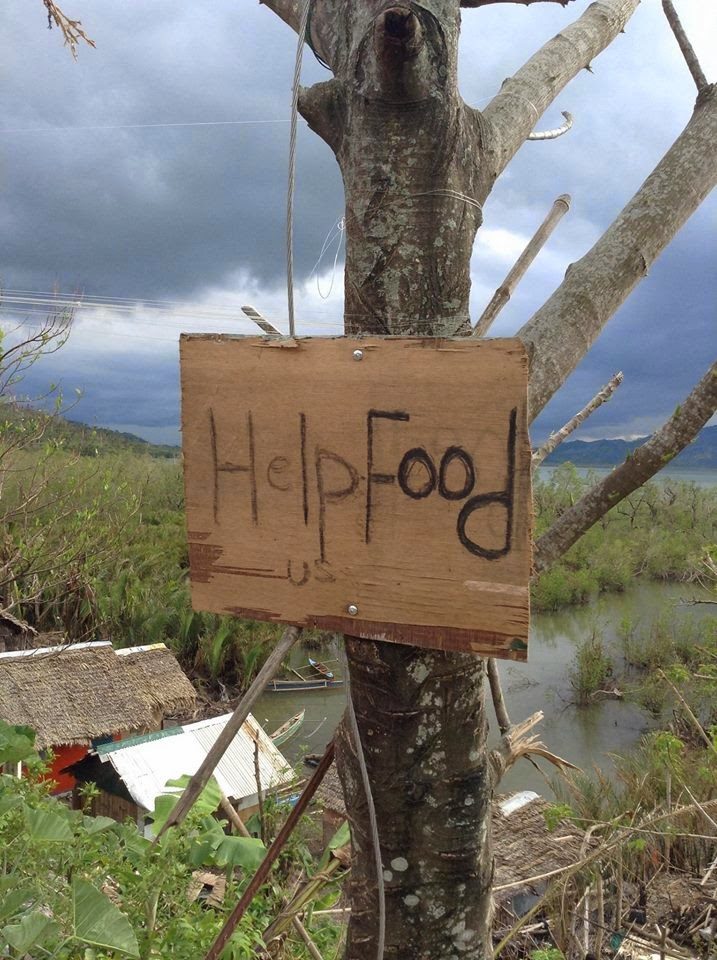
On November 7, 2013, Yolanda dropped a massive hammer on the beautiful life in Leyte...along with many others on the Eastern Visayan island of Leyte...over 10,000 people were killed...forever scarring the surviving children of this beautifully dangerously land.

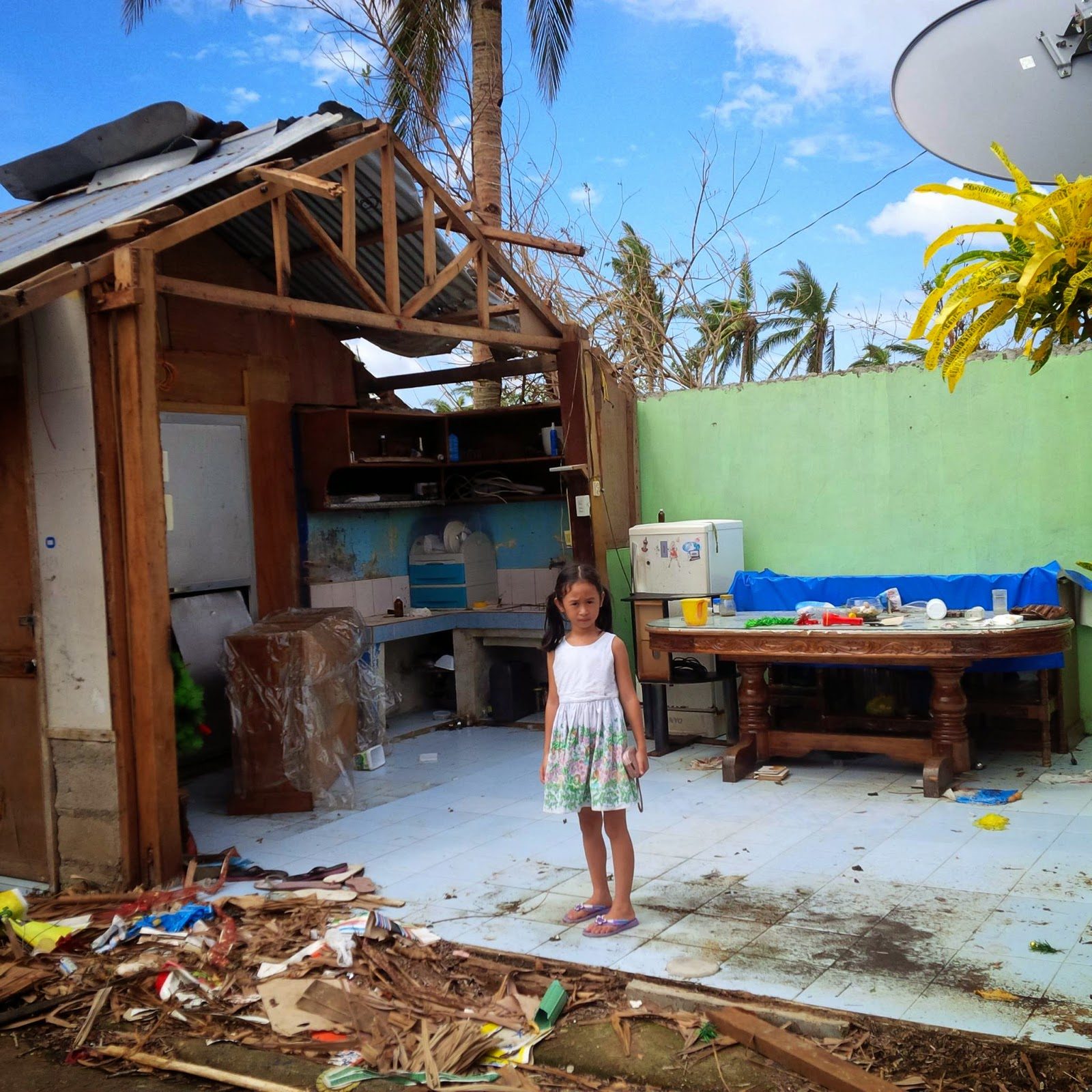
Destruction in Leyte after Yolanda.
Destruction in Leyte after Yolanda.Photo: Alex Ariza Dagandan
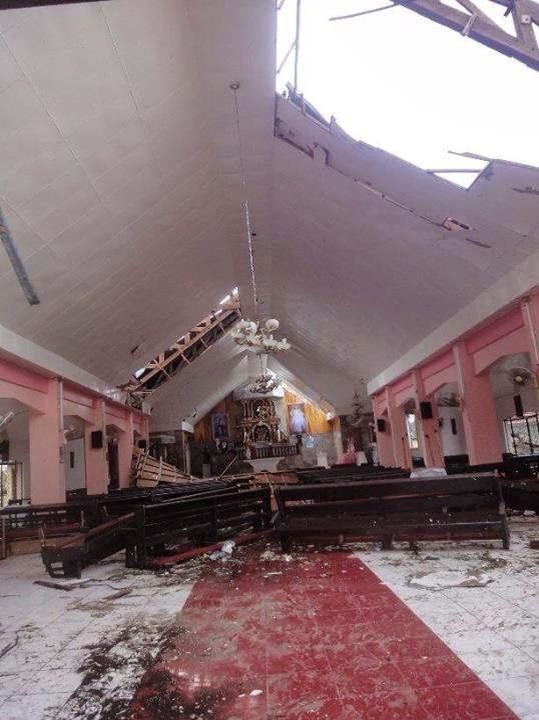
The community Church of Leyte, after.
The community Church of Leyte, after.Photo: Alex Ariza Dagandan

The aftermath of devastation in Tacloban, the largest city neighboring Leyte, was on a much larger scale, but keep in mind that there were many villages like Leyte scattered throughout the island that were hit just as hard.

What was left of Sharon's sister Donna's home. I have no words.
What was left of Sharon’s sister Donna’s home. I have no words.Photo: Sharon Pfleider
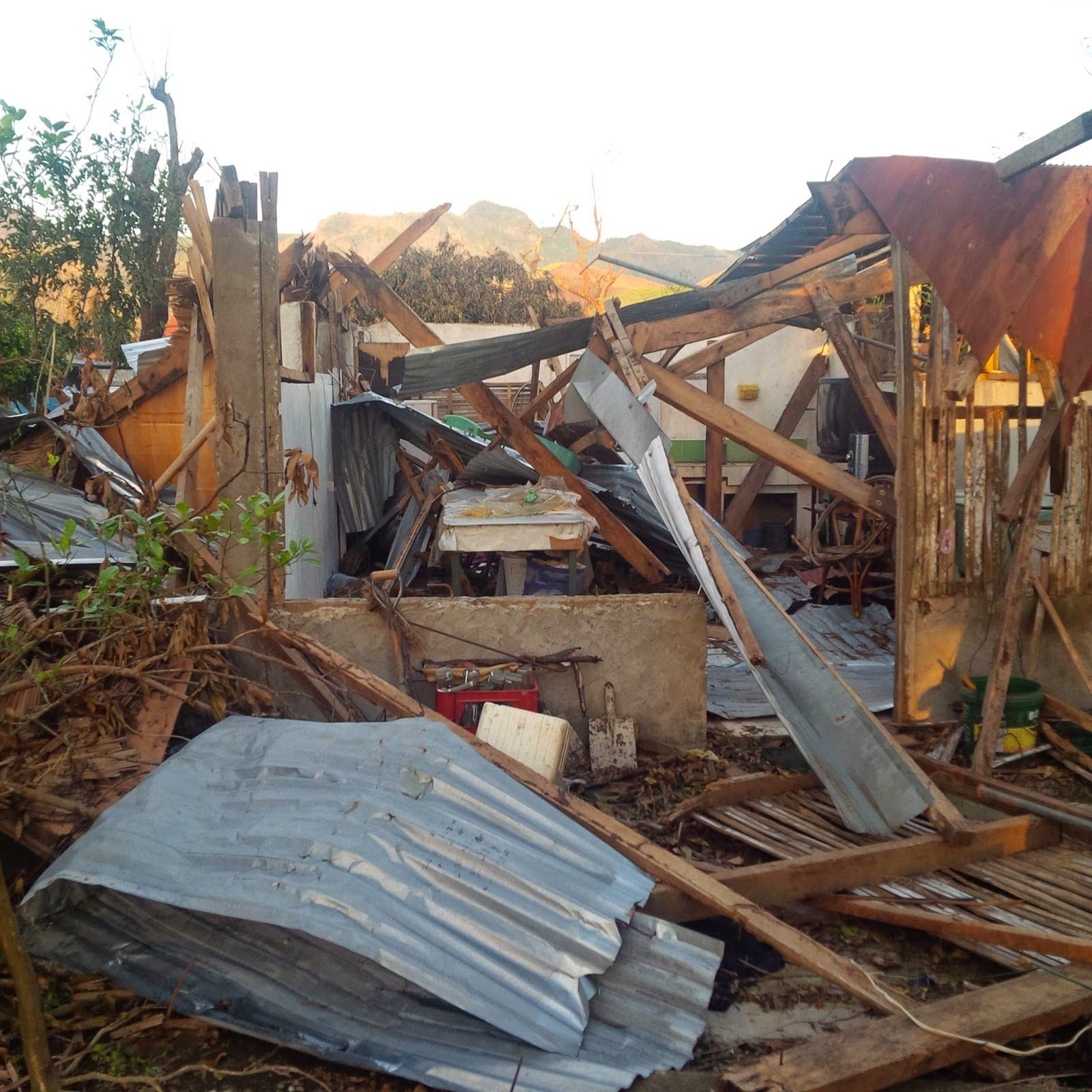
The remnants of Sharon's father's home.
The remnants of Sharon’s father’s home.Photo: Sharon Pfleider

Courageously, Sharon made it her mission to respond…and employ the limited resources and capabilities within her grasp: her social network, her drive and her leadership skills. What she did was simply brilliant. Rather than wait for the usual NGO’s to come to the aid of her small village, Sharon reached out to the global diaspora of Leyte and others within her social network...

Sharon did not just solicit money for the purpose of forwarding it to an NGO...she instead decided to garner donations to procure and distribute the relief on her own....bypassing the traditional aid organizations and expediting the overall response effort.

Innovation at its finest...when people focus on how they can help others.

First, Sharon set up a Facebook Page, called Leyte-Leyte Tulong Operation and transparently laid out her plan for relief. Sharon did her best describing what was needed and how she would execute the relief plan. She then crowdsourced donations, leveraging PayPal and other payment services since donations would be pouring in from around the globe. Remember, Sharon is a Filipina with limited resources and no capital of her own...but she is very savvy and passionate.

Leyte-Leyte Tulong Operation.
Leyte-Leyte Tulong Operation.Image: Sharon Pfleider

Because Sharon reached out to her own social network...the donors where already familiar with her...so donating was a more personal act than sending money to the Red Cross. Donors knew exactly how, when, and to whom their contributions would be deployed.

Each step of the way, Sharon transparently published the donors names and their donations on the Facebook page...along with her warm appreciation on behalf of the victims.

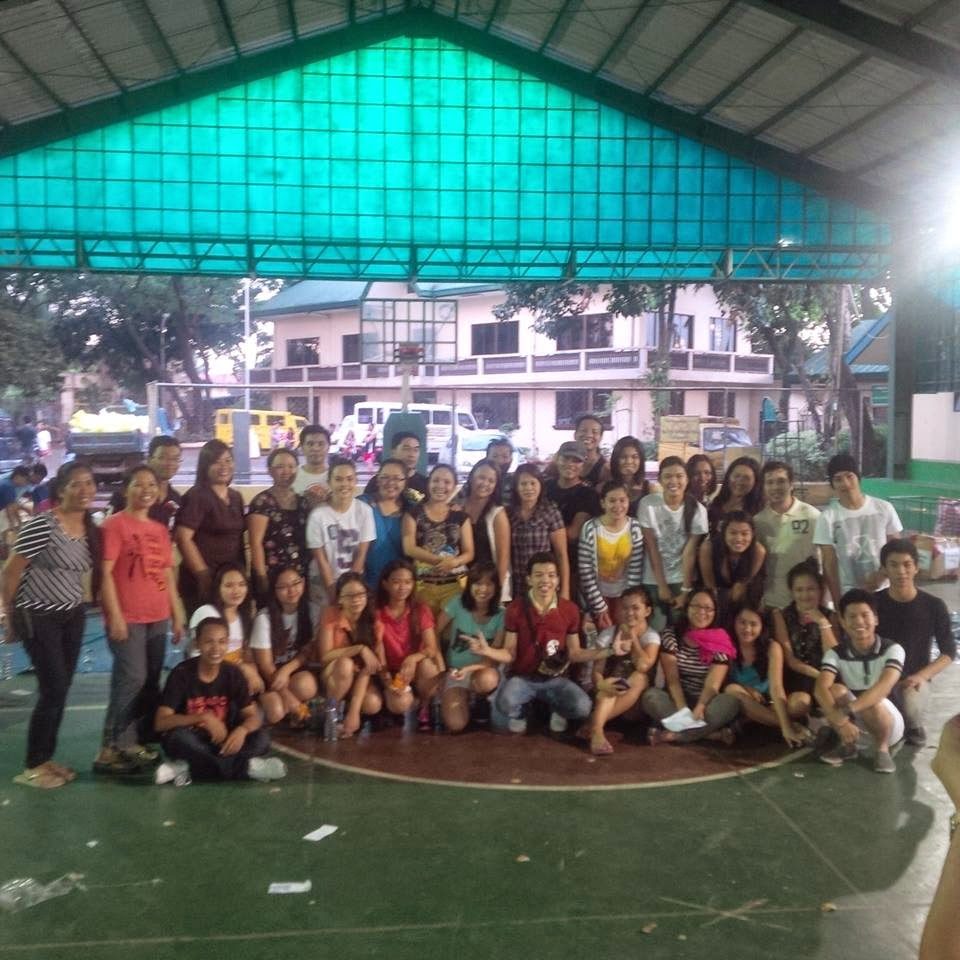
The relief team.
The relief team.Photo: Sharon Pfleider

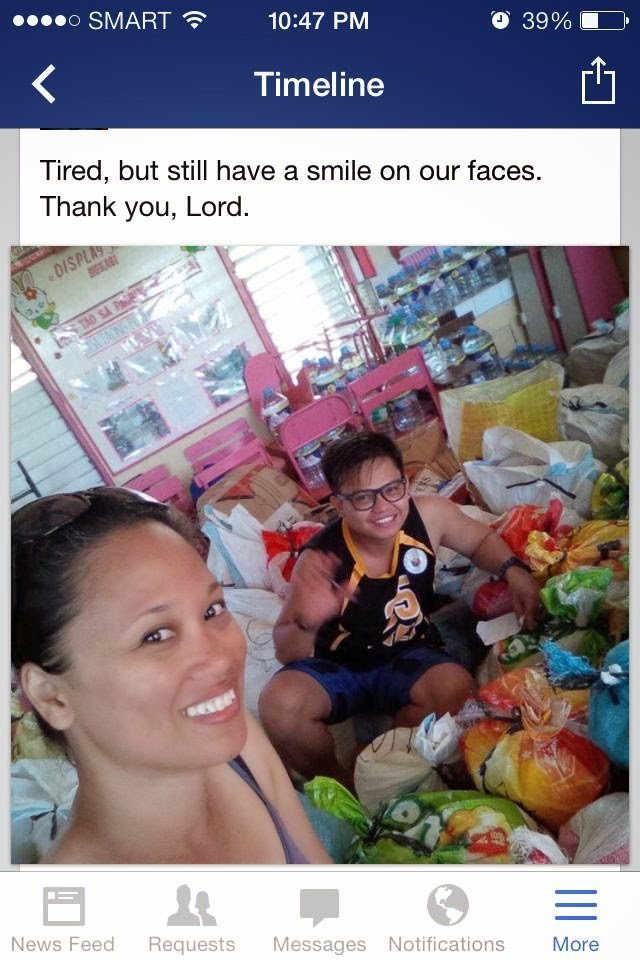
Sharon posted events, in my humble opinion, with professional grade photo journalism and candid commentary. Doing so, not only kept everyone informed, but it increased her credibility and trust within the “pop-up” relief community.

Needless to say, the supporters for Leyte-Leyte Tulong Operation grew and grew until there was an army.

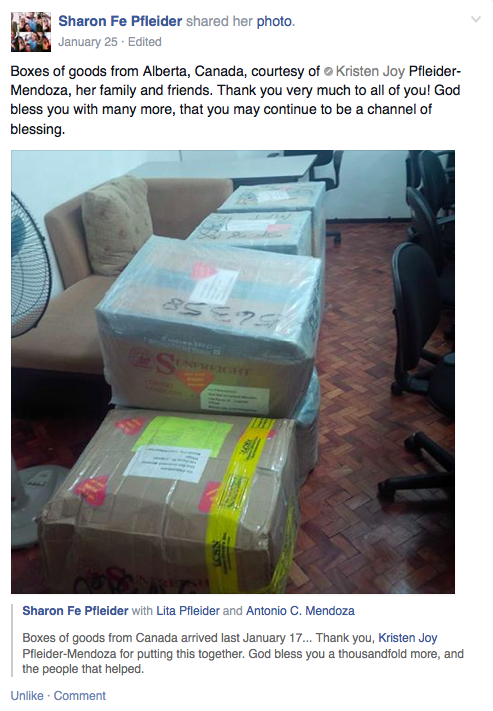
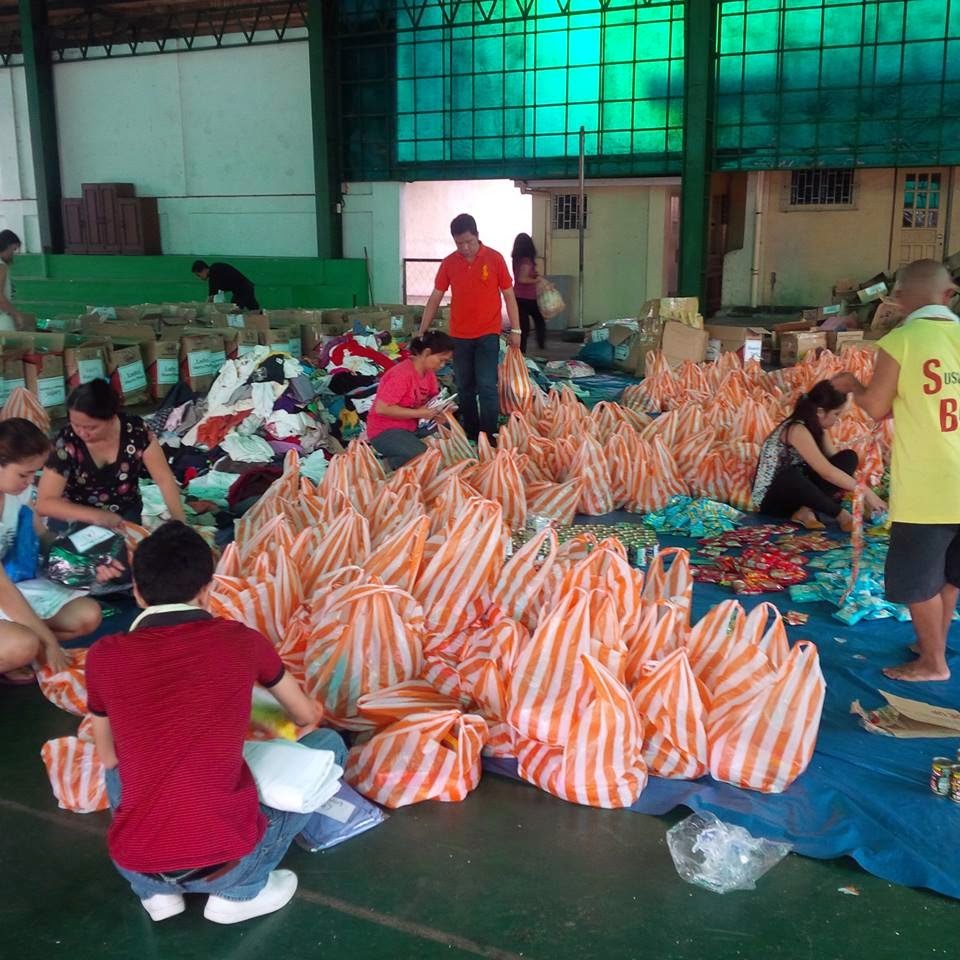
As soon as Sharon had enough donations, she procured the needed food, water and supplies. She even documented the staging process of the relief effort as she prepared for the distribution of supplies.

Staging the relief supplies.
Staging the relief supplies.Photo: Sharon Pfleider

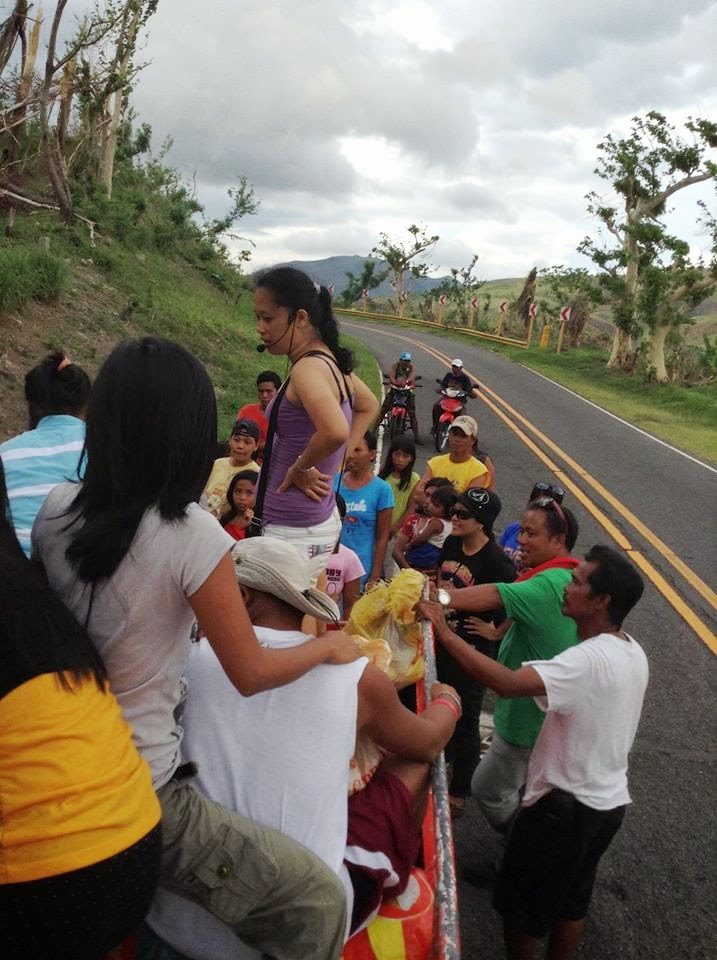
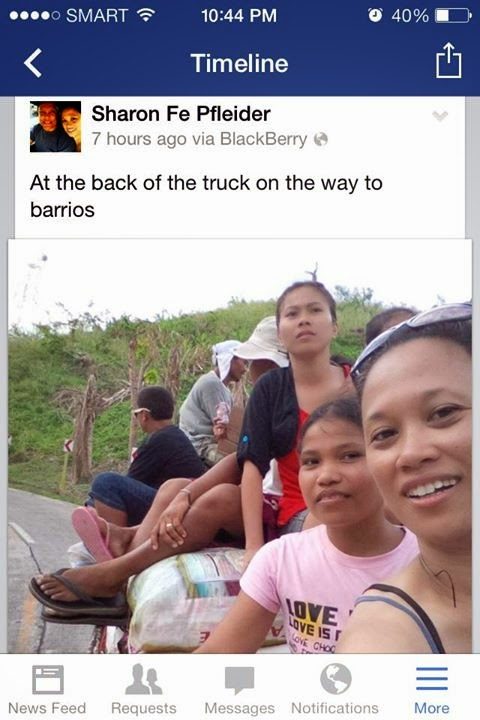
Then Sharon took the show on the road. Again, she documented in real time, the relief distribution through photo-journalistic entries on the Facebook page. We could all travel with her as she traversed to Leyte and help those in need.

On the road.
On the road.Photo: Sharon Pfleider
Documenting the trip.
Documenting the trip.Photo: Sharon Pfleider
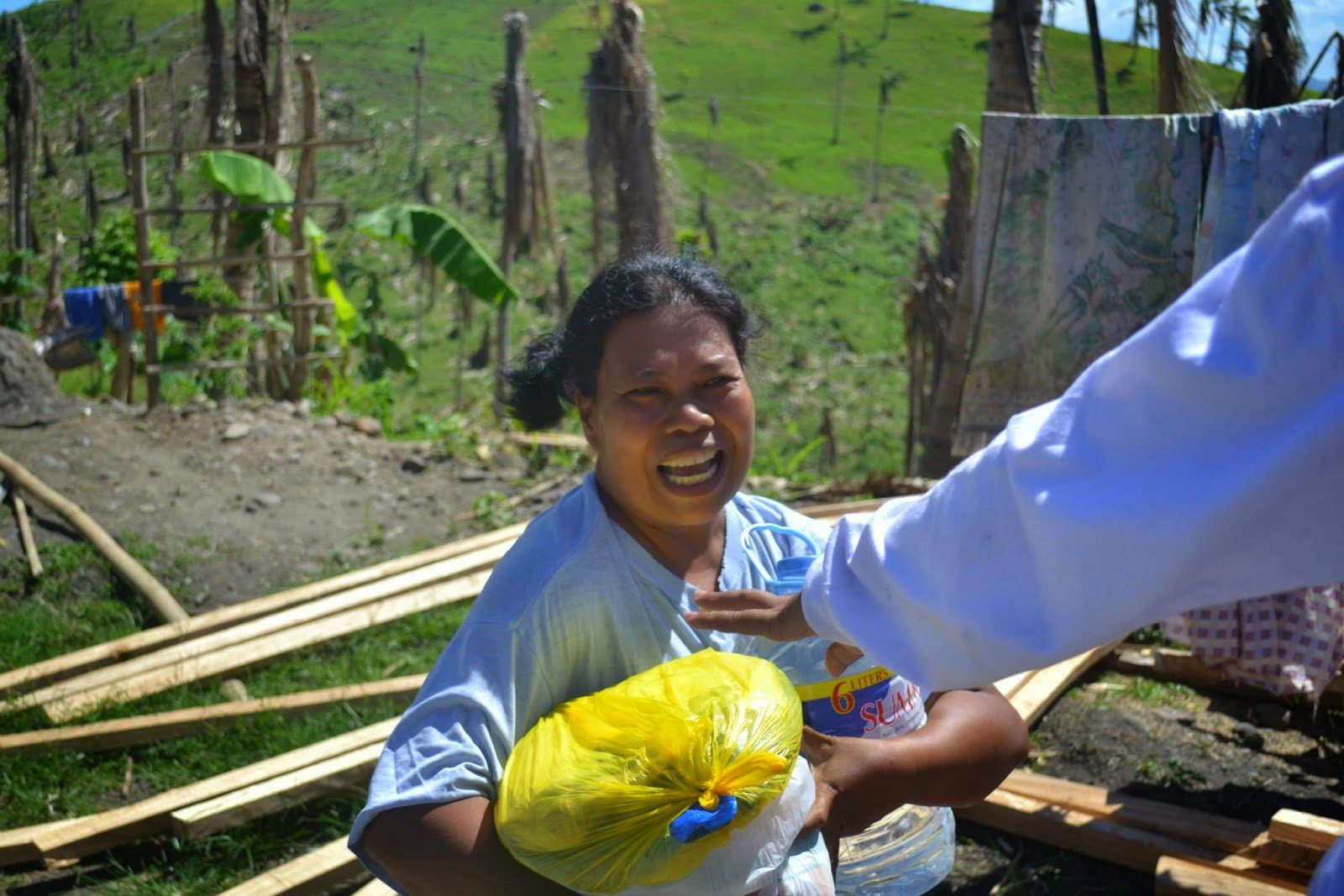
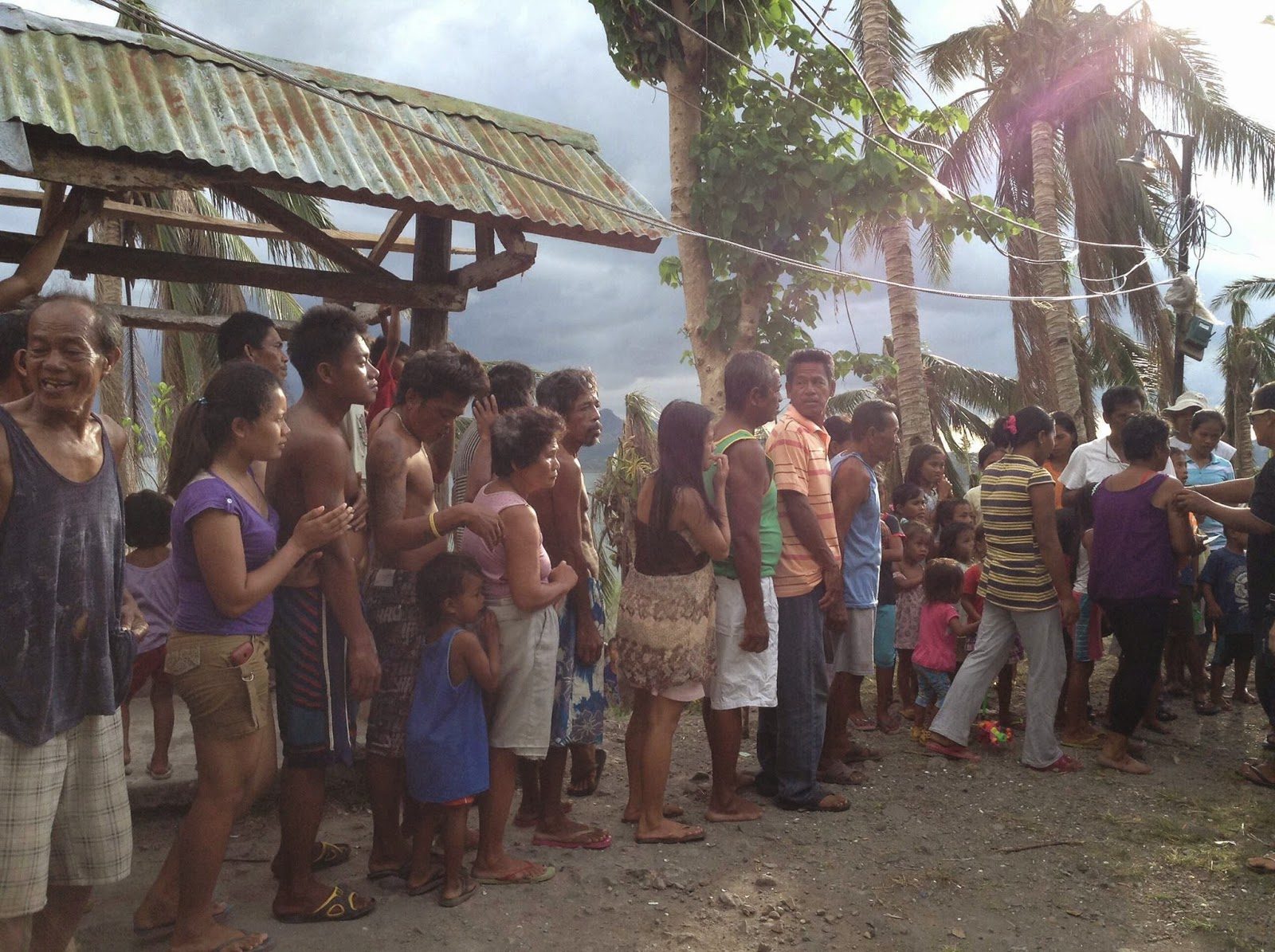
Passing supplies to survivors.
Passing supplies to survivors.Photo: Mirs Napoles Carel
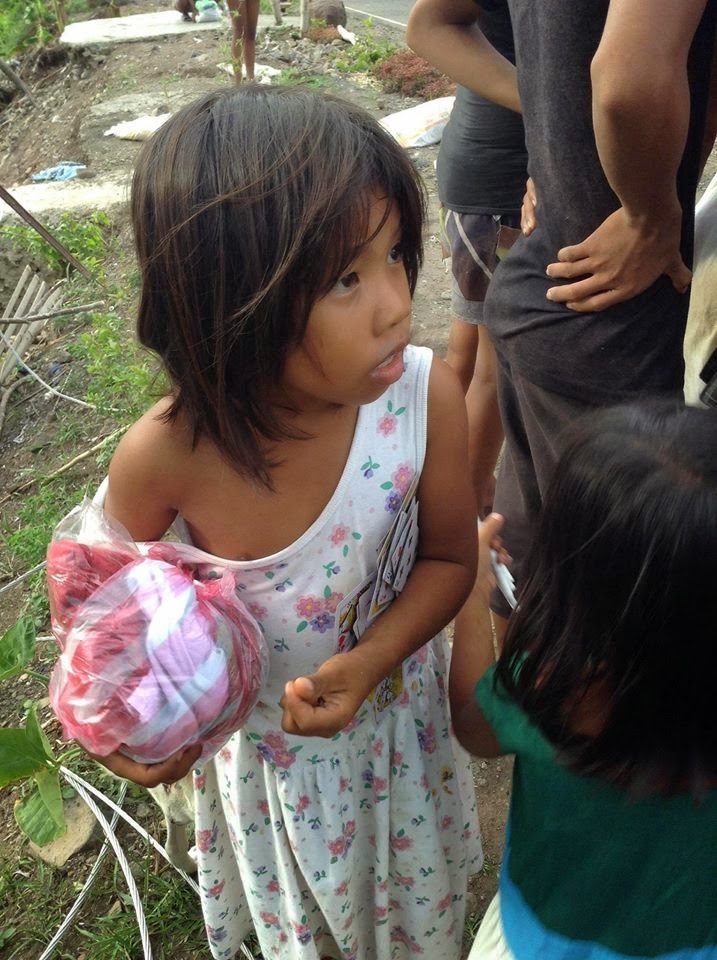
A child survivor in Leyte.
A child survivor in Leyte.Photo: Mirs Napoles Carel

Remember, this is a human relief effort. The houses and structures were not what needed help, it was the people and their families that needed comfort.

Relief distribution.
Relief distribution.Photo: Mirs Napoles Carel
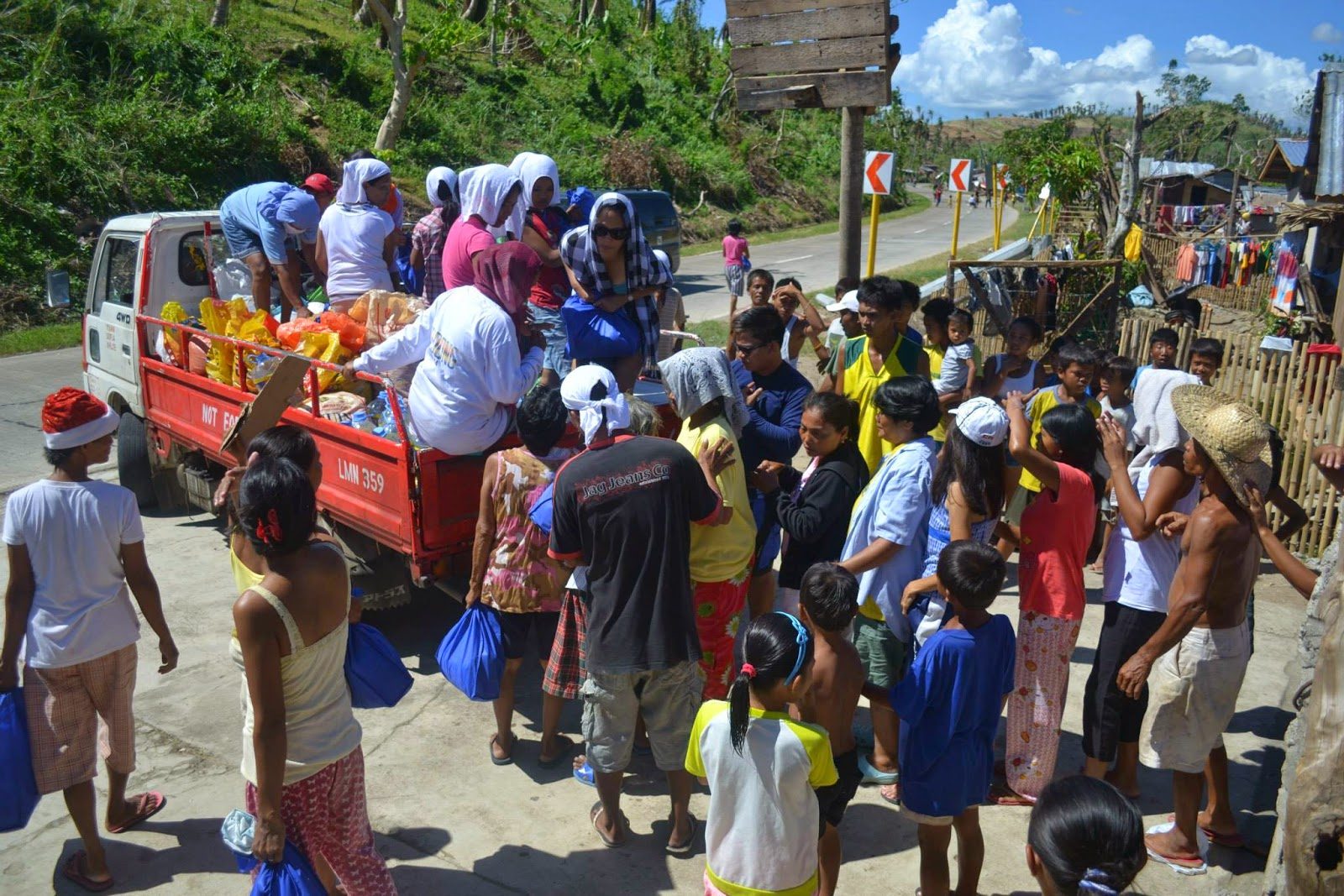
Sharon passing out food and supplies from the back of the truck.
Sharon passing out food and supplies from the back of the truck.Photo: Mirs Napoles Carel
Aid reaching the community.
Aid reaching the community.Photo: Mirs Napoles Carel

We should all learn from Sharon...that no matter who we think we are...how little we think we have...or insignificant we think our position is...we can make a difference. We just have to give ourselves permission and leverage our God given talents and the tools we have at our disposal.

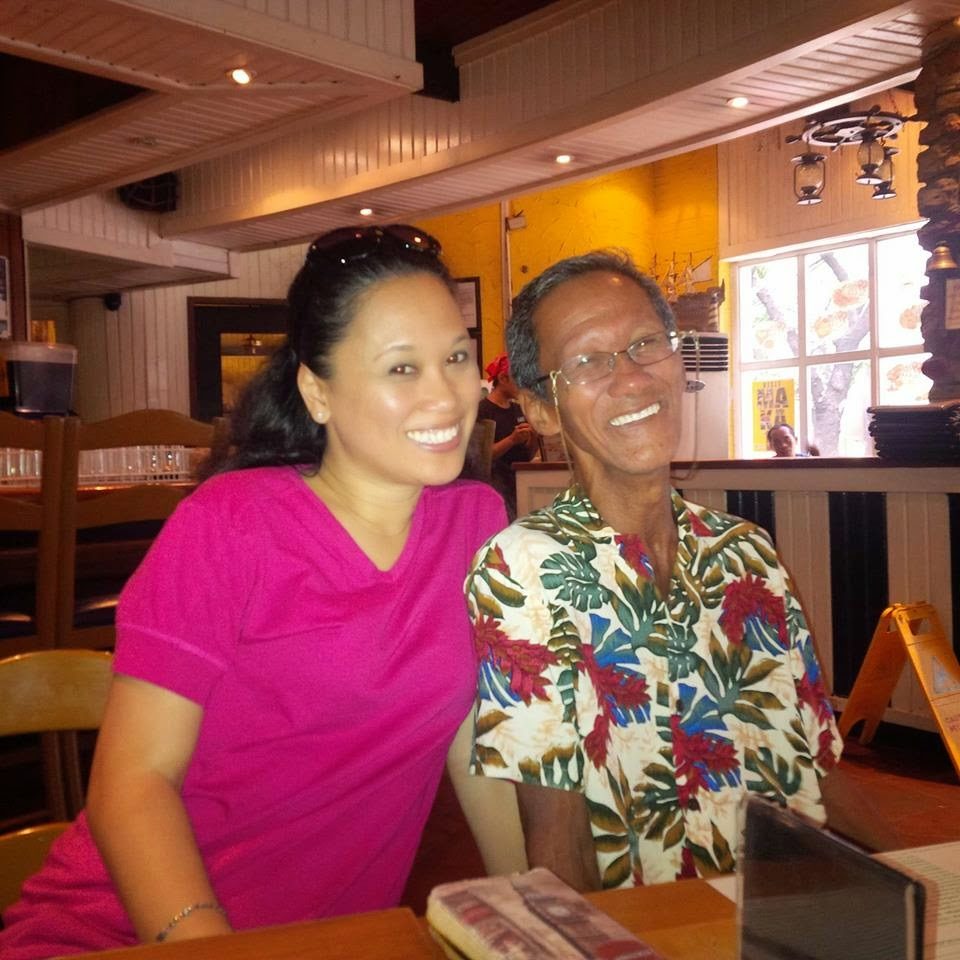
Sharon with her father.
Sharon with her father.Photo: Elvira Mateo Pfleider

I believe empowering passionate and intelligent people to act by giving them the tools to develop compelling solutions is the key to unlocking the creativity and wisdom of the crowd. This is what future innovation efforts will be focused on, whether it is for disaster preparedness or any other human need...the solutions and people who can best solve our problems are in our midst...they are just not evenly distributed...society’s aim should be to connect to and empower them.

Well done, Sharon!

A note from Sharon: “Its only by God’s grace that I am able to do all those things. So, to God be the glory. I am not worthy of such accolade. It is through Him, and only in Him that I have this heart to help others. Nonetheless, thank you very much.”…Sharon Fe Pfleider

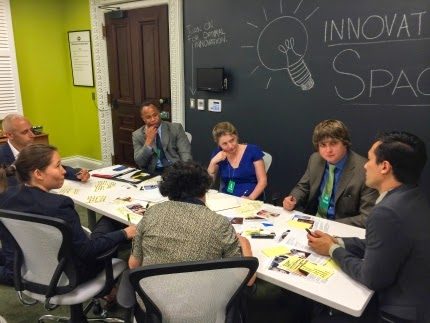
An interesting side note: The White House recently held an “Innovation Demo” for Disaster Response on August 14, 2014. I hope they included lots of people who have endured a disaster and its aftermath. It’s too bad they did not invite Sharon...she would have been a show stopper...and added invaluable insights to the conversation...

White House Innovation Demo for Disaster Response, Aug 2014.
White House Innovation Demo for Disaster Response, Aug 2014.Photo: DHS Science and Technology
Open as its own page
Art & Borders

A World Separated

Each day, I grow and learn. Some days, I grow more than others. Often, what I learn is not applicable at the moment, but I add it to my palette for the future.

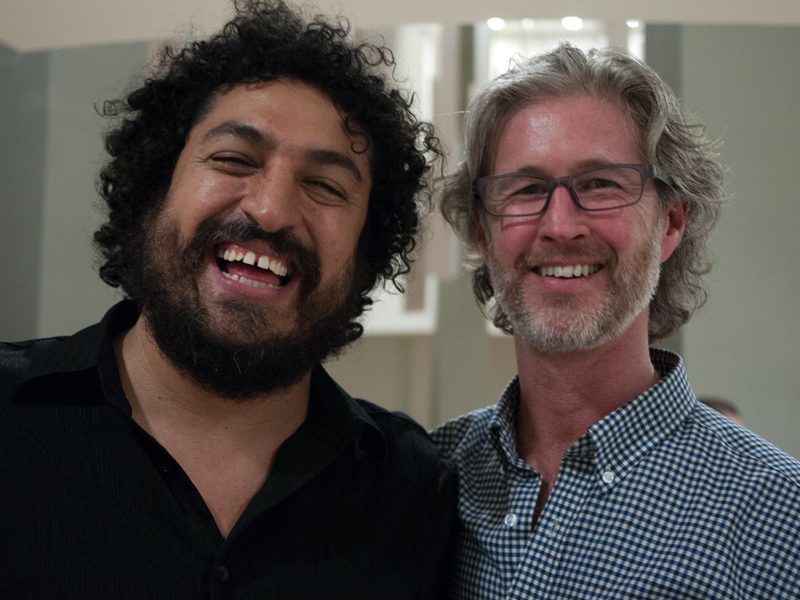
Jane and François at the MUSAS exhibition, Hermosillo.
Jane and François at the MUSAS exhibition, Hermosillo.Photo: Douglas Wills / Lyra Jakabhazy

Recently, I had the honor of accompanying my favorite creative duo, Jane Gittings and François Robert, to a compelling art exhibition titled, “A World Separated by Borders” at The Museo De Arte De Sonora (MUSAS) in Hermosillo, Mexico. François was one of an esteemed group of artists who showed in this exhibition, including Michael Hyatt, Debbi McCullough, Petra Boehm (curator) and Alejandra Platt.

Debbi McCullough and Lyra.
Debbi McCullough and Lyra.Photo: Douglas Wills / Lyra Jakabhazy

I have always struggled to articulate the reality that I see around me. My goal is not to complain, but to get people to think and act. Unfortunately, words are woefully inadequate to express and define the complex issues that I believe that we face today. There are too many variables, attributes or nuances to explain. That is where art comes into play.

A picture paints a thousand words. And a room full of art and people creates a dialogue that resonates far beyond the walls where the art hangs.

“A picture paints a thousand words.” And a room full of art and people creates a dialogue that resonates far beyond the walls where the art hangs. The exhibition, “A World Separated by Borders” was no exception.

I am sure different people took away their own unique perspectives, but I would bet that each continued the conversations they started at the exhibition.

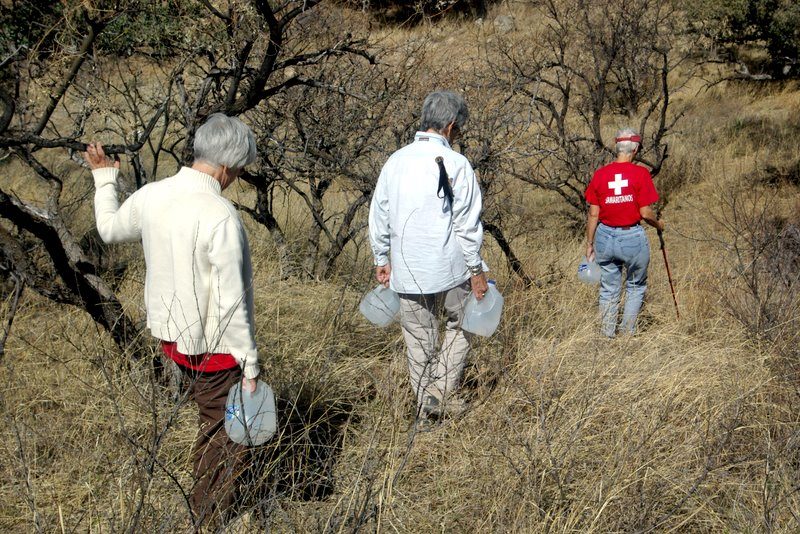
Let me back up and give some context. My wife, Lyra, and I were actually invited to accompany a humanitarian group, The Samaritans of Tucson, to caravan from Tucson, Arizona to Hermosillo, Mexico. We were the guests of Jane and François who are members of this group whose mission it is to drop water and food for people crossing the brutal 60 mile stretch of the Sonoran desert between Mexico and Tucson. Most people cannot carry enough water to make the trek, especially in the summer heat, which can reach temperatures of 120º F...and without water, people will perish.

Water jugs left in the desert by The Samaritans of Tucson.

The Samaritans’ goal is to throw a literal life line to people dying in the desert. These are people, not unlike you and me, who are at fringes of our world, separated only by the borders we erect that are both physical and figurative. The Samaritans believe that no one deserves to die alone in the desert just because they’re trying to feed their family.

The Samaritans only drop jugs of water and food it is my understanding that they call Border Control and give them GPS coordinates whenever they encounter person in distress.

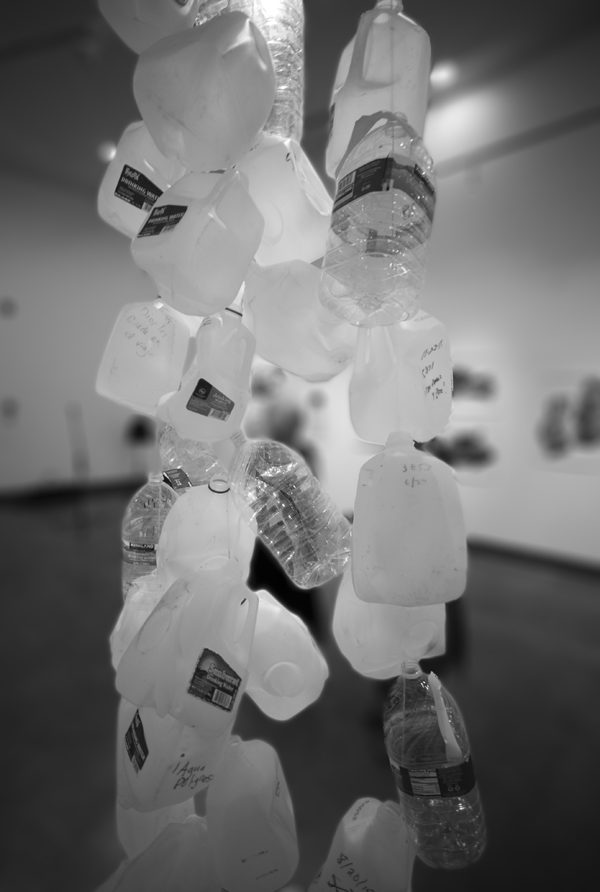
Through my conversations, I also learned that not everyone agrees with The Samaritans. Other groups or individuals, who also patrol the area, may find the water jugs and knife them or shoot them so that the water drains out. This is a virtual death sentence…I think the punishment does not fit the crime in this case. One of the exhibits by Debbi McCullough happens to be a sculpture of water jugs that The Samaritans had left behind, but were “knifed”.

Water for those crossing the Sonoran desert.

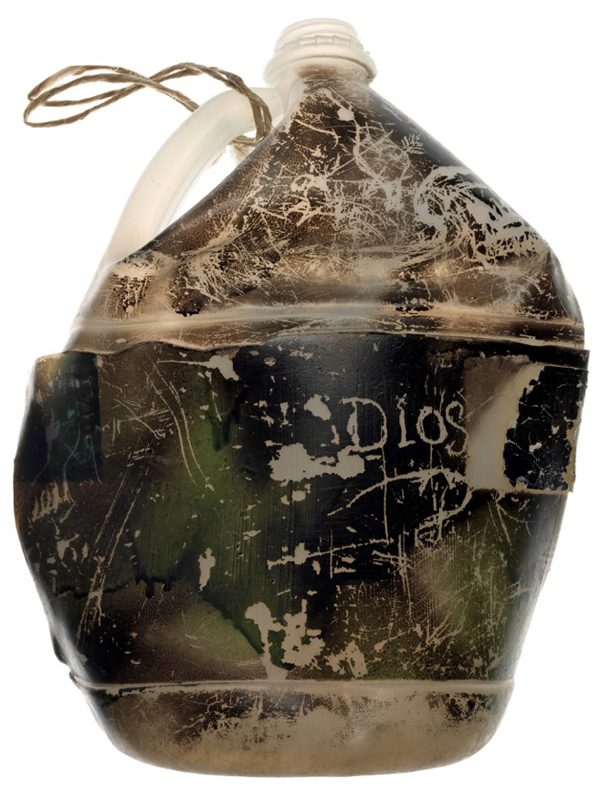
In another interesting conversation, I discovered that The Samaritans often find empty black water jugs strewn about in the desert. Apparently, people paint their water jugs black to avoid being seen by the border patrol. Otherwise, the jugs light up brightly when a spotlight shines on them. It seems that bleach bottles are the jug of choice to paint black.

From 'A World Separated by Borders.'
From ‘A World Separated by Borders.'Artwork: François Robert…All Rights Reserved

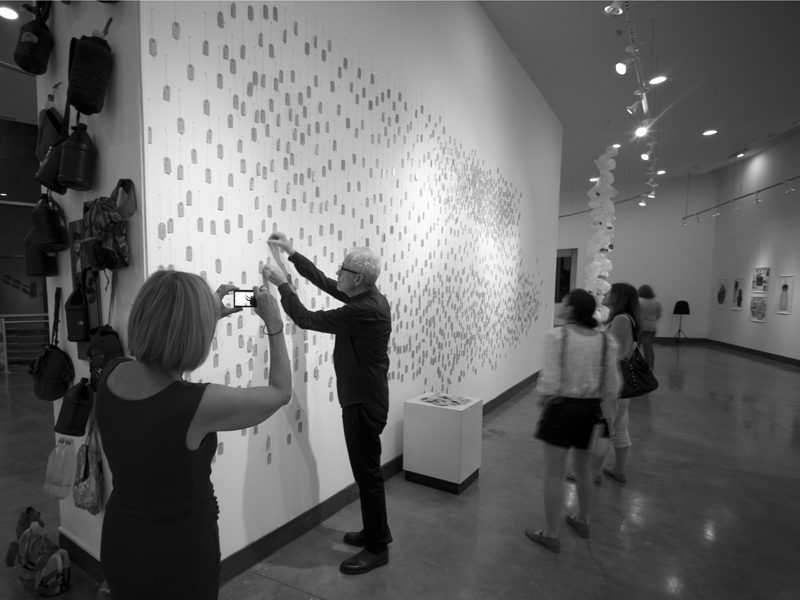
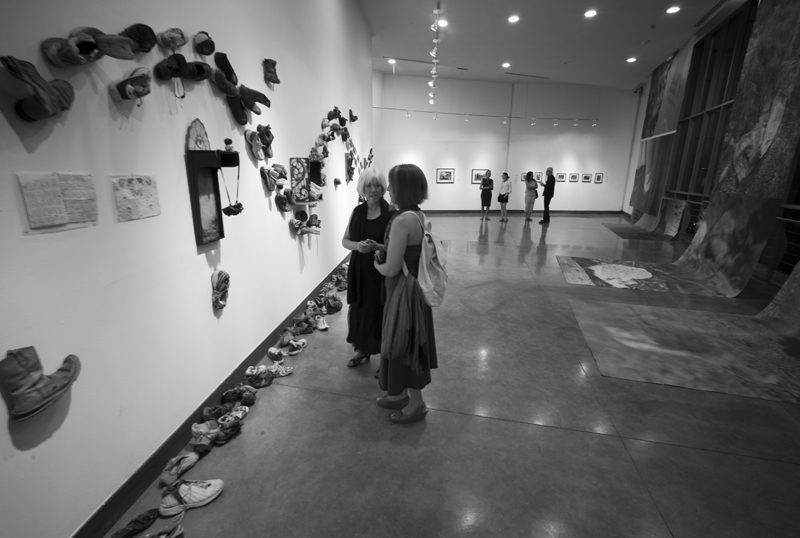
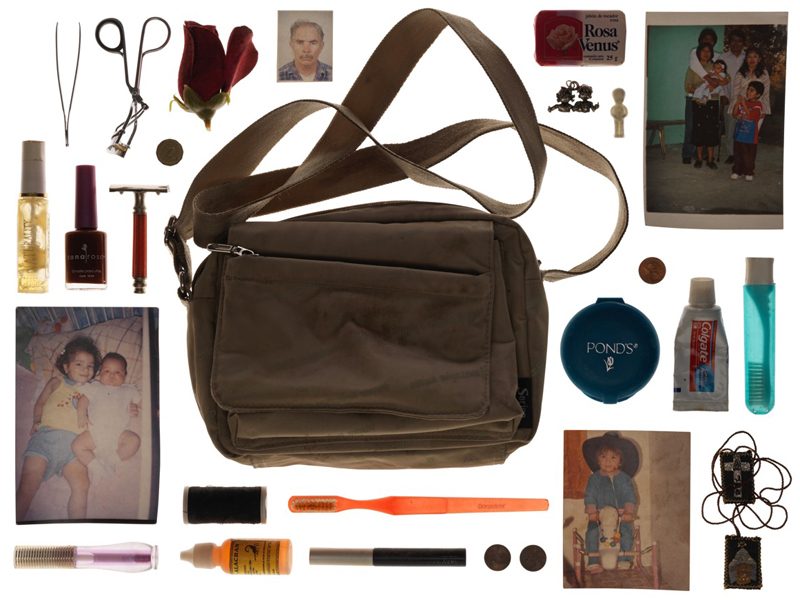
Even more compelling, are the personal belongings that people leave behind in the desert, upon which the artists of “A World Separated by Borders” are shedding light. Juxtaposed against one another, these artifacts allow us to see the border “crossers” as human beings and begin to understand their terrible plight.

Personal belongings left in the desert, documented as art.
Personal belongings left in the desert, documented as art.Artwork: François Robert…All Rights Reserved
At the exhibition in Hermosillo.
At the exhibition in Hermosillo.Photo: Lyra Jakabhazy

François, with his incredible style and empathy for others, documents the subtle humanity found in these discarded artifacts. From family photos to love letters to lipstick and toothbrushes…each chronicles a story and humanizes this tragedy. The stories are similar to our own and allow us to realize that these are people like us. Actually, they are us.

We need to have a meaningful dialogue about borders. Maybe it depends on which side you are on, but has a wall ever worked as a long-term or sustainable solution? For example, how did it turn out for the Chinese against the Mongolians with The Great Wall of China? Or for the Romans against the Scots and Picts with Hadrian’s Wall? Or the Communist East Germans and The Berlin Wall? Yet, today, in addition to the Mexican Border Wall, we still have The DMZ in Korea, The Moroccan Wall in the Western Sahara and The West Bank Barrier in Israel, etc.

Whatever the answer is to these terrible situations, only art can illuminate such complex issues with empathy. And through empathy can we begin to break down the walls that divide us.

All rights reserved of François Robert photographs. Unless noted, all other photos by Douglas Wills and Lyra Jakabházy.

Open as its own page
Work & Expertise

Two decades of design & innovation, arranged by craft.

Design thinking, strategy, white-space discovery, design research, workshops, and the graphic-design roots beneath it all…selected tools, processes, and outcomes from Fortune 100 corporations, Korea’s leading telecoms, and the classroom.

See the full portfolio

Contact

Let’s start a conversation.

I am always glad to talk about creativity, innovation, design thinking, and the human work beneath it all. The best conversations begin with a simple “Yes, and…”

Chicago, Illinois · wills.douglas@gmail.com